Transport Insurance for New Zealand Businesses
From trucks and fleets to goods in transit, liability and downtime risk, Marble helps transport operators structure cover around the realities of keeping vehicles, people and contracts moving.

“Transport businesses do not just insure vehicles. They insure movement.”
A single accident, breakdown, theft, contract dispute or liability claim can affect revenue, delivery deadlines, customer relationships and cash flow.
That is why transport insurance needs to be structured around the full operating model, not just the asset list. Vehicles get added, contracts get bigger, drivers change, routes shift – and the cover that suited the business eighteen months ago may no longer match the way the operation actually runs today.
An adviser who understands transport will look past the schedule of vehicles and ask the questions that matter: what type of carriage contracts you sign, whether the goods you move are owned by your customers or by you, and which contracts carry the heaviest liability exposure.
From there, the review extends to what happens if a driver is prosecuted after a crash, if a director, employment or fidelity claim hits the business, and what revenue looks like if a key truck is off the road for a month.
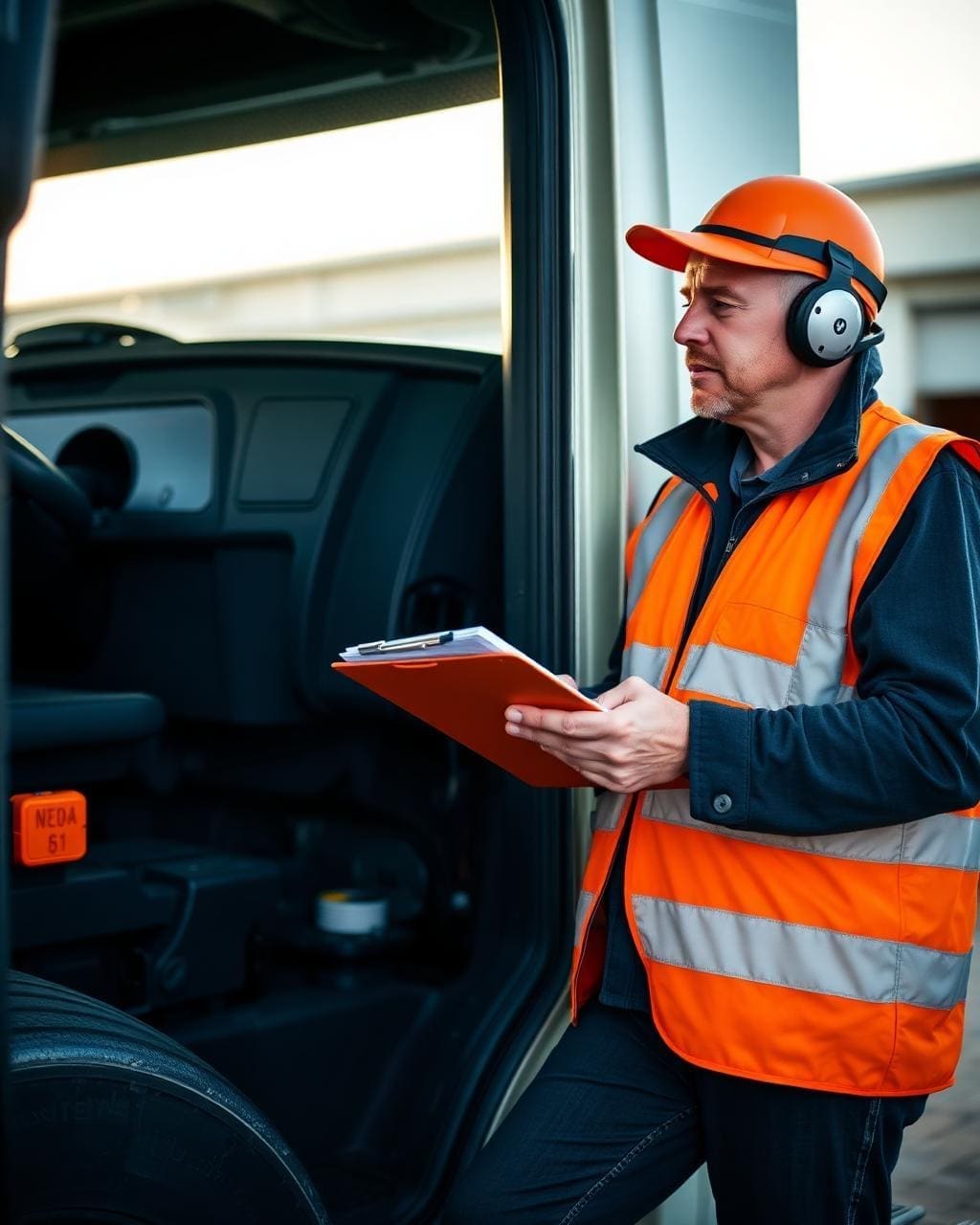
Transport – operating reality
See how fleet cover keeps transport businesses moving.
Common risks we help you plan for.
Vehicle accidents and write-offs
Repair costs are only part of the picture – replacement timelines and contract pressure usually hit harder.
Liability for customer goods you carry
Most NZ transport operators move goods owned by others. Your exposure – and the carriers liability cover you need – is shaped by the type of contract of carriage you have with each customer under the Contract and Commercial Law Act 2017.
Goods you own in transit
If the business actually owns the goods being moved (own stock, plant relocations, imports or exports), marine cargo is the cover that responds – not carriers liability.
Driver risk and licensing
Driver experience, history and after-hours use change how a policy responds at claim time.
Public liability claims
From minor incidents at depots to third-party property damage on the road, exposure scales quickly.
Downtime and loss of use
A truck off the road during a peak period can cost more than the repair itself.
Theft of vehicles, fuel and equipment
Yard security, immobilisers and storage all factor in.
Contract and subcontractor obligations
Major customers often dictate minimum cover levels the policy has to match.
Driver prosecutions and regulatory action
Charges under the Land Transport Act after a crash, or a WorkSafe investigation following a serious incident, can mean significant legal and expert costs – even when the charge is ultimately defended.
Management and governance risk
Directors' decisions, employment disputes, employee dishonesty and statutory breaches sit outside vehicle and liability policies and can hit the business and its directors personally.
Cover that may be relevant for your business.
Commercial vehicle / fleet insurance
Cover for owned and leased vehicles across the fleet.
Carriers liability
For goods owned by your customers while in your custody and control. The right structure – Limited Carrier's Risk, Declared Value Risk, Declared Terms or Owner's Risk – depends on the contract of carriage you have with each customer under the Contract and Commercial Law Act 2017, and that drives the limit and wording recommended.
Marine cargo
For goods the business owns while in transit – own stock, equipment, imports or exports. Marine cargo is not the cover that responds to customer-owned goods you carry.
Public and products liability
Cover for third-party injury or property damage arising from operations.
Material damage
Yards, depots, workshops, tools and equipment.
Business Interruption & Loss Of Use
Loss of use is an add-on to commercial motor insurance that covers ongoing costs while a key vehicle is off the road after an insured event. Business interruption, by contrast, responds to a material damage policy such as a building.
Management liability
An umbrella programme covering the risks of running the company – typically Directors & Officers, Statutory Liability, Employers Liability, Employment Disputes, Fidelity / Crime, Internet Liability and Consequential Loss in one structure.
Prosecution legal expenses
Funds defence costs – lawyers, experts and court costs – when a driver or the business faces criminal prosecution or enforcement action, for example a driver charged under s38 of the Land Transport Act after a crash.
The right insurance mix depends on your business structure, contracts, assets, staff, revenue, claims history and risk profile. Marble can help you review what is appropriate for your situation.
We arrange cover across the full transport spectrum.
Line Haul
Long-distance freight running between cities and regions, where fleet, fatigue and cargo value all carry weight.
Local
Around-town distribution where tight delivery windows, traffic exposure and frequent stops shape the risk.
Freight
General freight movements where contract terms, cargo type and goods-in-transit value drive cover.
Couriers
Light, fast-turnover deliveries with high job counts, short windows and a different liability profile to heavy transport.
Where a Marble adviser can help.
Reviewing existing fleet, liability and transit policies side by side.
Identifying underinsurance, duplicated cover or gaps between policies.
Checking exclusions, excesses and limits against the way you actually operate.
Supporting claims conversations when a vehicle is off the road.
Aligning cover with major contracts, finance requirements and growth plans.
Helping compare options across insurers where appropriate.
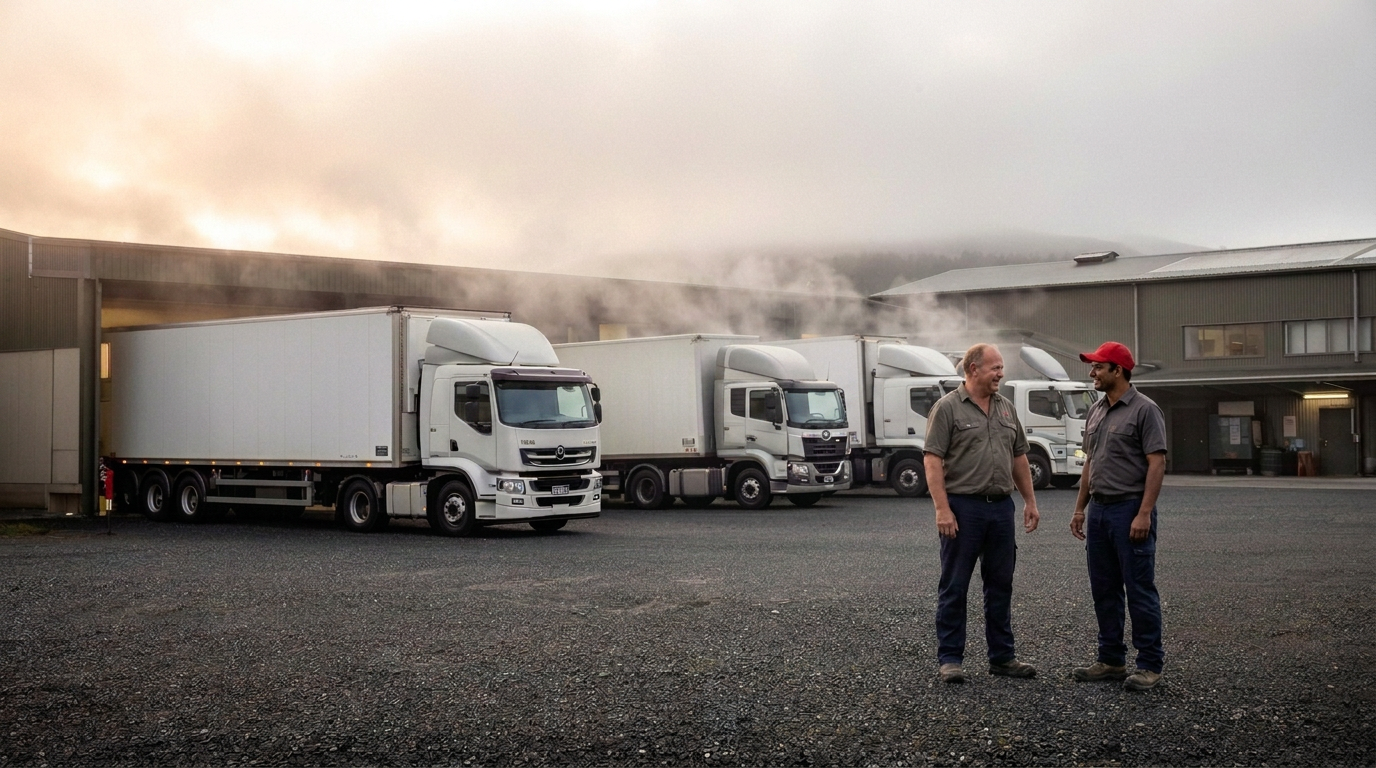
The claim does not wait for a quiet week.
A truck is involved in an accident during a peak delivery period. The repair bill is only part of the issue. The operator also has to manage downtime, replacement vehicle options, contract pressure, freight delays and cash flow.
That is where the structure of the insurance programme matters – not just whether a claim is paid, but how quickly the business can keep moving while it is being processed.
Transport insurance – common questions.
Get your cover reviewed before you need to rely on it.
A quick conversation with a Marble adviser can help you understand whether your current insurance still matches your business, your risks and your next stage of growth.
Other sectors we work with.

Construction
Contract works, liability, plant and the project delays that test every clause.
Trades
Tools, vehicles, public liability and the workmanship risk that comes with the job.
Manufacturing
Plant, product liability, supply chain and the breakdown that stops the line.