Landlord insurance for New Zealand property investors
Single rentals, mixed portfolios and long-term investment property. Marble helps landlords structure cover around rebuild values, loss of rent, tenant damage and the realities of running a property as an income asset.
“A rental is not just a house. It is an income asset – and the cover should respond to both.”
A rental property is two things at once: a building that needs to stand up to natural disaster and accidental damage, and an income asset that needs to keep producing rent. Standard household cover does not always recognise both sides.
Tenancy law, tenant turnover, methamphetamine contamination history, vacancy periods and loss of rent all change how a landlord policy needs to respond – and a single missed clause can make a stressful event significantly more expensive.
An adviser who works with landlords will look at the rebuild value, the loss of rent cover, the tenant damage wording and the natural disaster sub-limits – then check the cover still matches the way the property is actually being run.
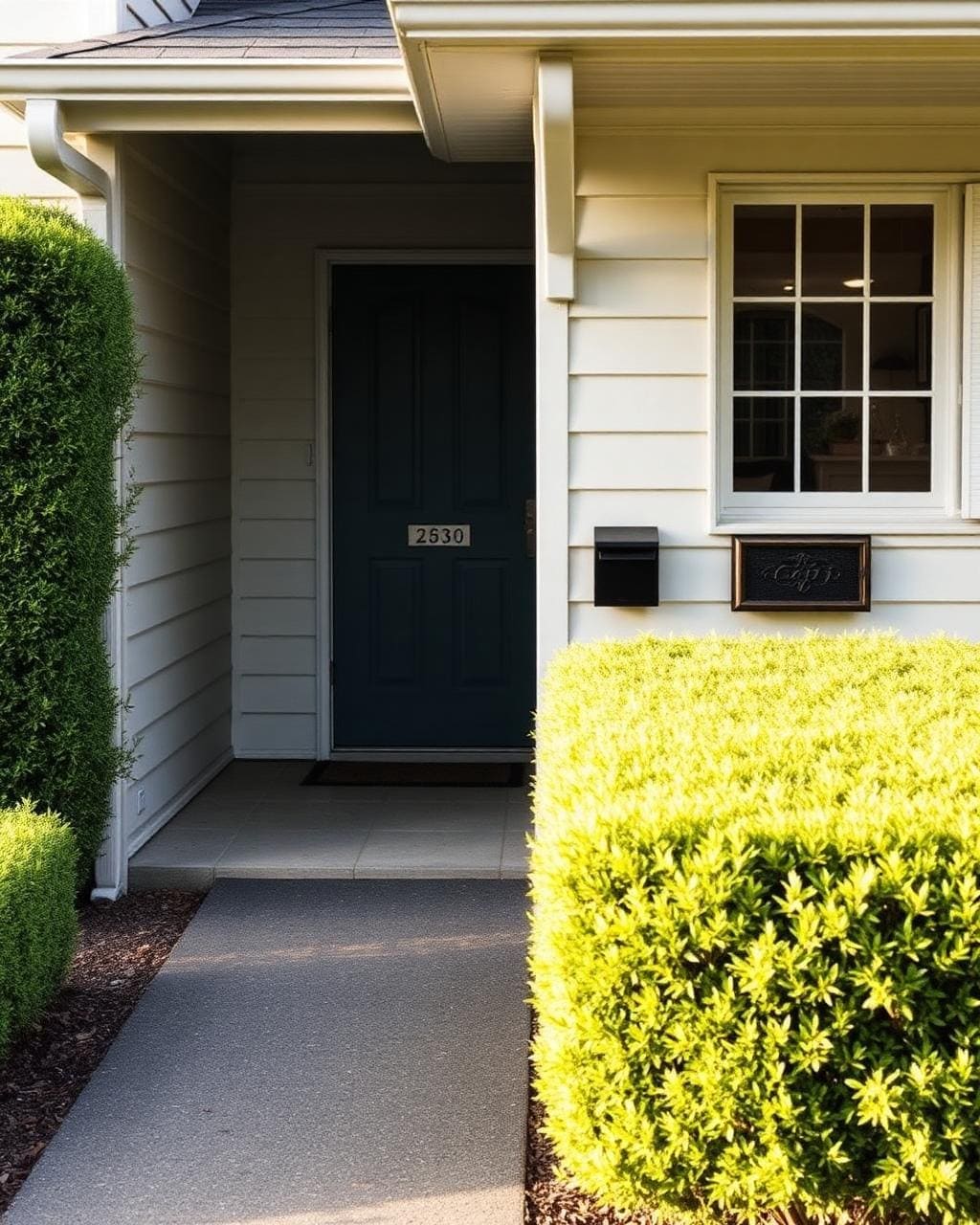
Landlord – everyday reality
Common risks we help you plan for.
Underinsured rebuild value
Build cost inflation has materially changed what 'full replacement' looks like for residential property.
Loss of rent after an insured event
An unliveable rental stops producing income immediately – and that gap needs to be covered.
Intentional or malicious tenant damage
Wording and sub-limits for tenant damage vary meaningfully across insurers.
Methamphetamine contamination
Cover for testing, decontamination and loss of rent during the process is policy-specific.
Natural disaster exposure
Earthquake, flood, storm and landslip cover responds differently across policies and regions.
Liability as a property owner
Public liability arising from the property remains an underestimated exposure.
Vacancy and unoccupied periods
Extended vacancy can change how a policy responds to a claim.
Cover that may be relevant for your situation.
Sum insured residential building
Cover for the rental building itself, set to a nominated rebuild figure.
Loss of rent
Cover designed to replace rental income while the property is unliveable due to an insured event.
Tenant damage cover
Cover that may respond to intentional, malicious or accidental damage by tenants.
Methamphetamine cover
Cover that may respond to testing and decontamination – wording is policy-specific.
Natural disaster cover
Cover for earthquake, landslip and other natural disaster events alongside the NHC (previously known as EQC) layer.
Landlord liability
Cover for legal liability arising from your ownership of the rental property.
The right insurance mix depends on your circumstances, the value of what you are protecting and how you actually live. Marble can help you review what is appropriate for your situation.
Where a Marble adviser can help.
Reviewing rebuild values across single rentals or full portfolios.
Checking loss of rent, tenant damage and methamphetamine wording.
Walking through natural disaster sub-limits and the NHC (previously known as EQC) interaction.
Aligning landlord cover with finance and bank requirements.
Supporting claim conversations through testing, repairs and re-tenanting.
Helping compare options across insurers where appropriate.
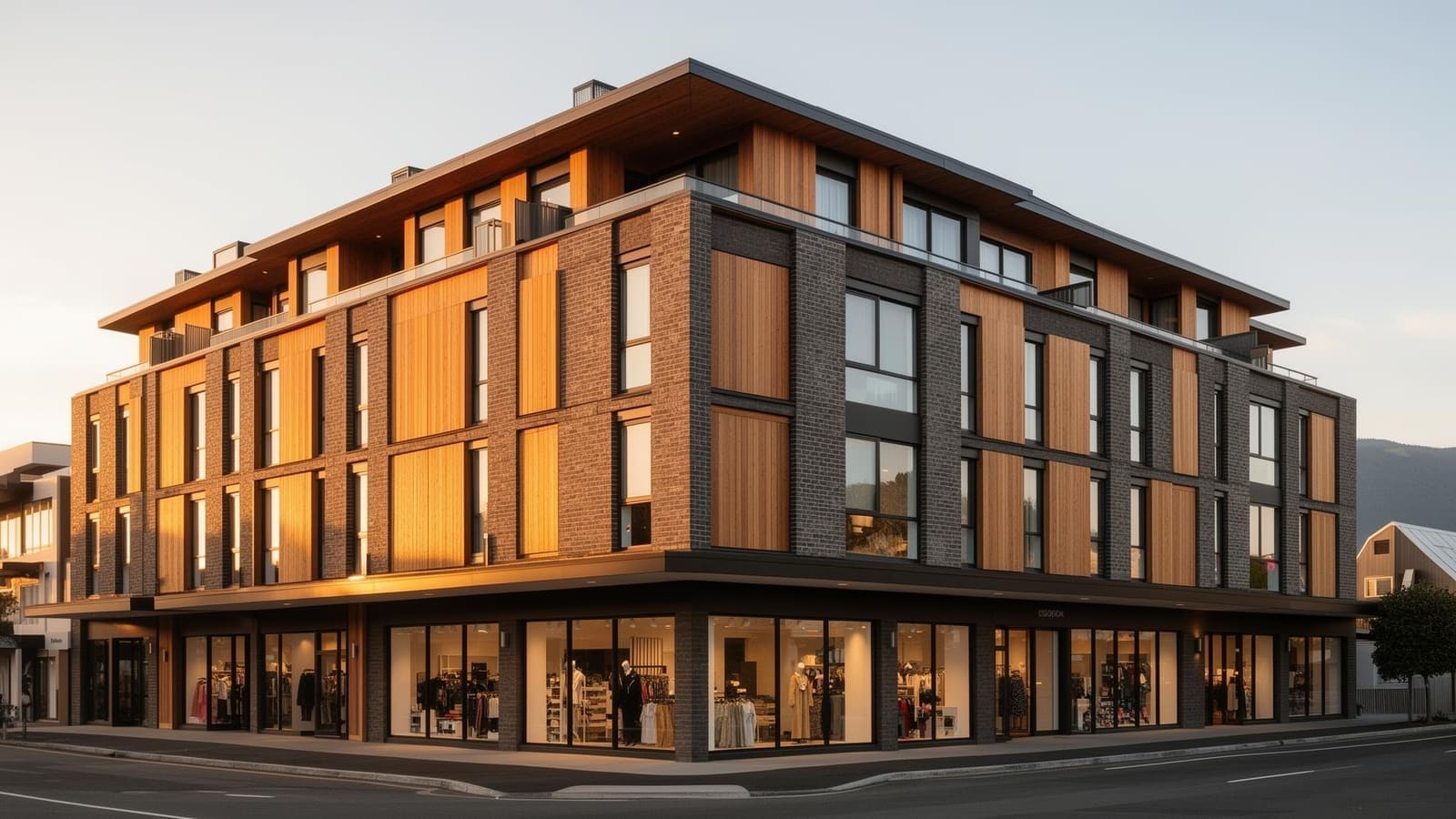
When a single tenancy event tests three different parts of the policy.
A rental is left damaged at the end of a tenancy, requires methamphetamine testing and is unliveable for several months. Suddenly tenant damage cover, methamphetamine cover and loss of rent are all in play at once.
How those three sit together in the policy – and how clearly the wording is structured – decides whether the landlord rebuilds quickly or absorbs the gap.
Landlord insurance – common questions.
Get your cover reviewed before you need to rely on it.
A quick conversation with a Marble adviser can help you understand whether your current insurance still matches the way you live, what you own and what you would want to be true at claim time.